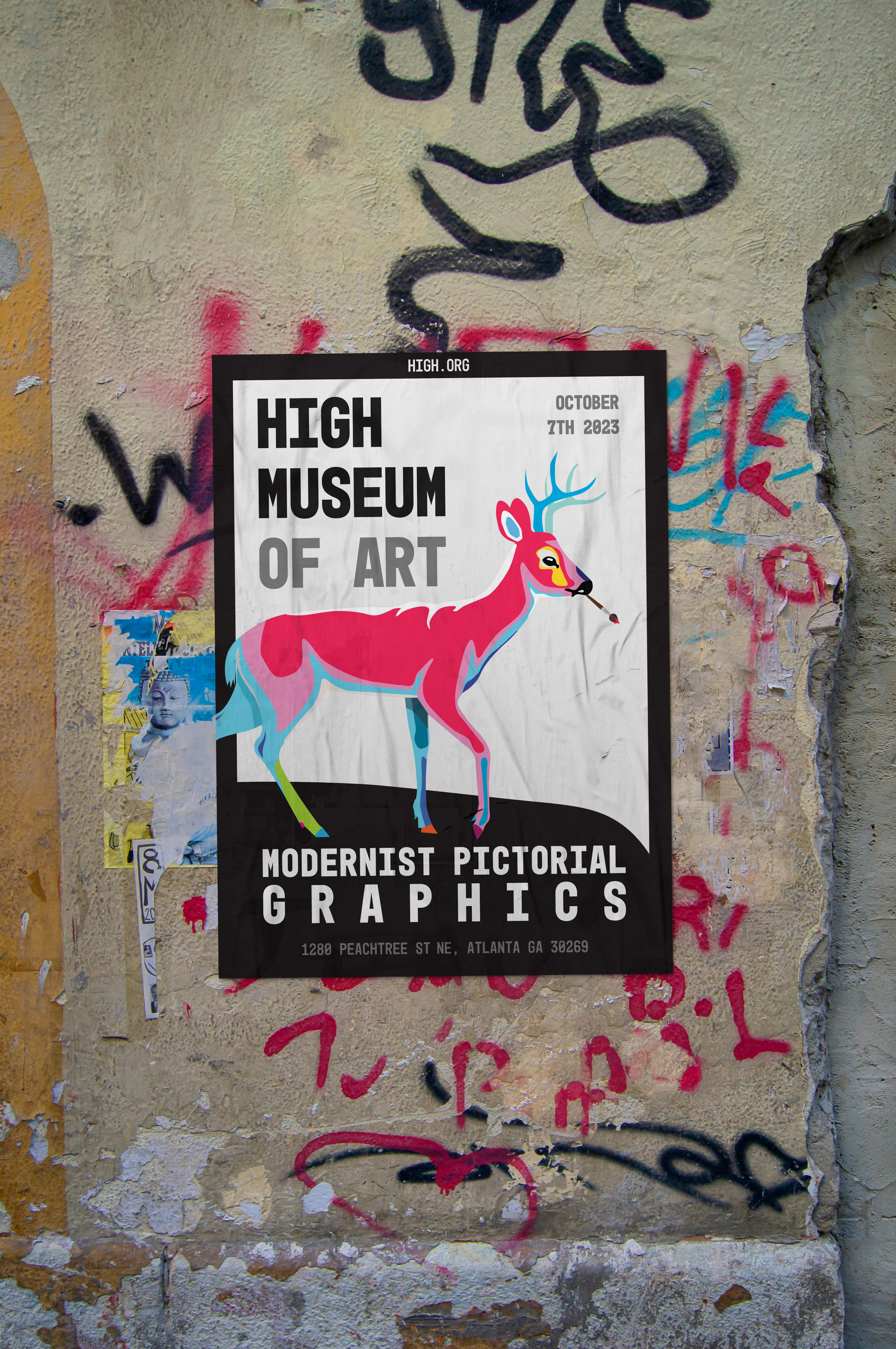
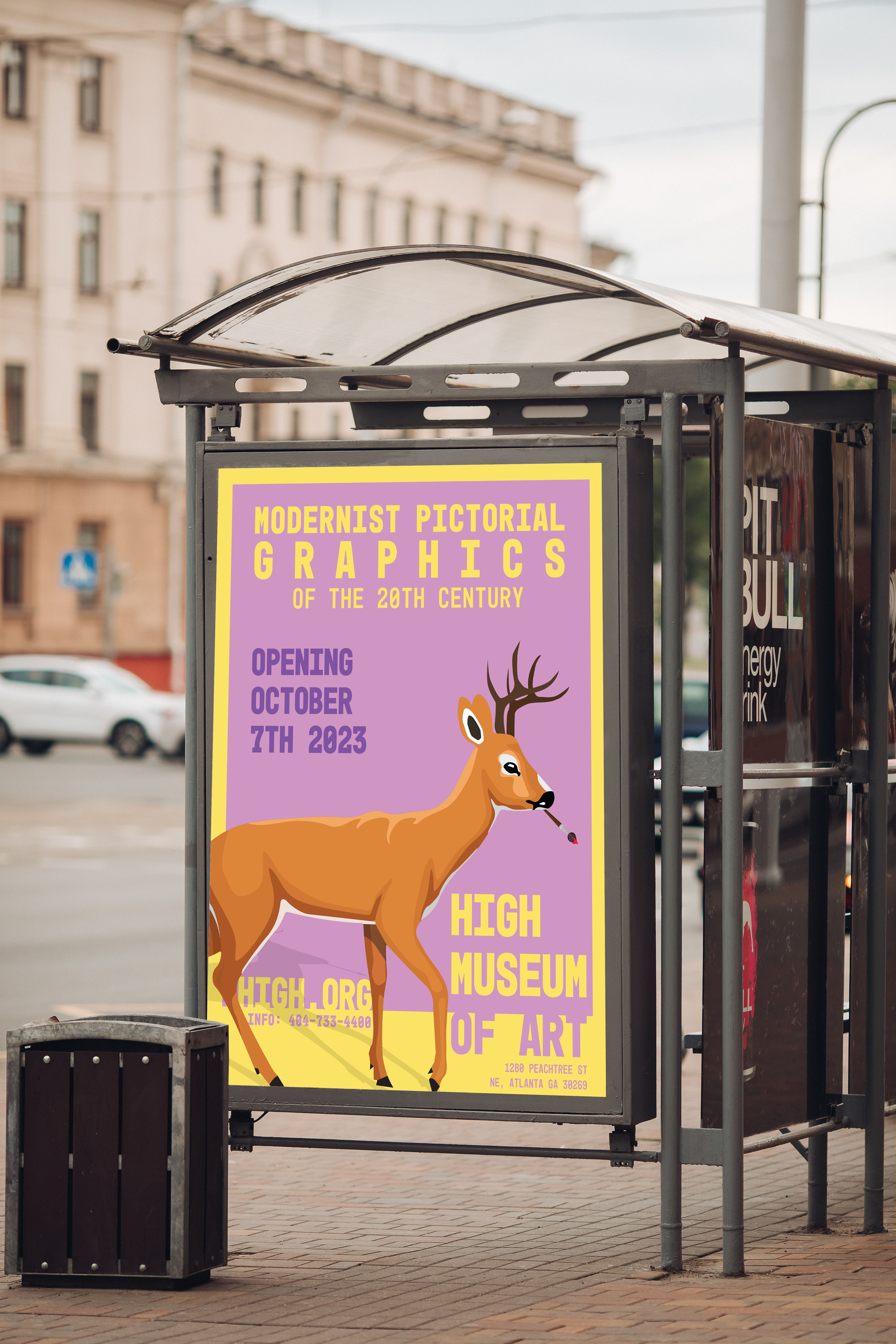
Pictorial modernism is an umbrella term for the style of posters in the early twentieth century that were influenced by the stylistic innovations of Modern art movements. It consisted of reductive, flat-color design school that emerged in Germany early in the twentieth century; it employed flat background colors; large, simple images; and product names.

The Dada movement was an avant-garde cultural and artistic movement that emerged during and after World War I, primarily in Zurich, Switzerland, but later spread to other cities in Europe and the United States. It is characterized by a spirit of radical experimentation, anti-establishment sentiments, and a rejection of traditional artistic and societal norms.



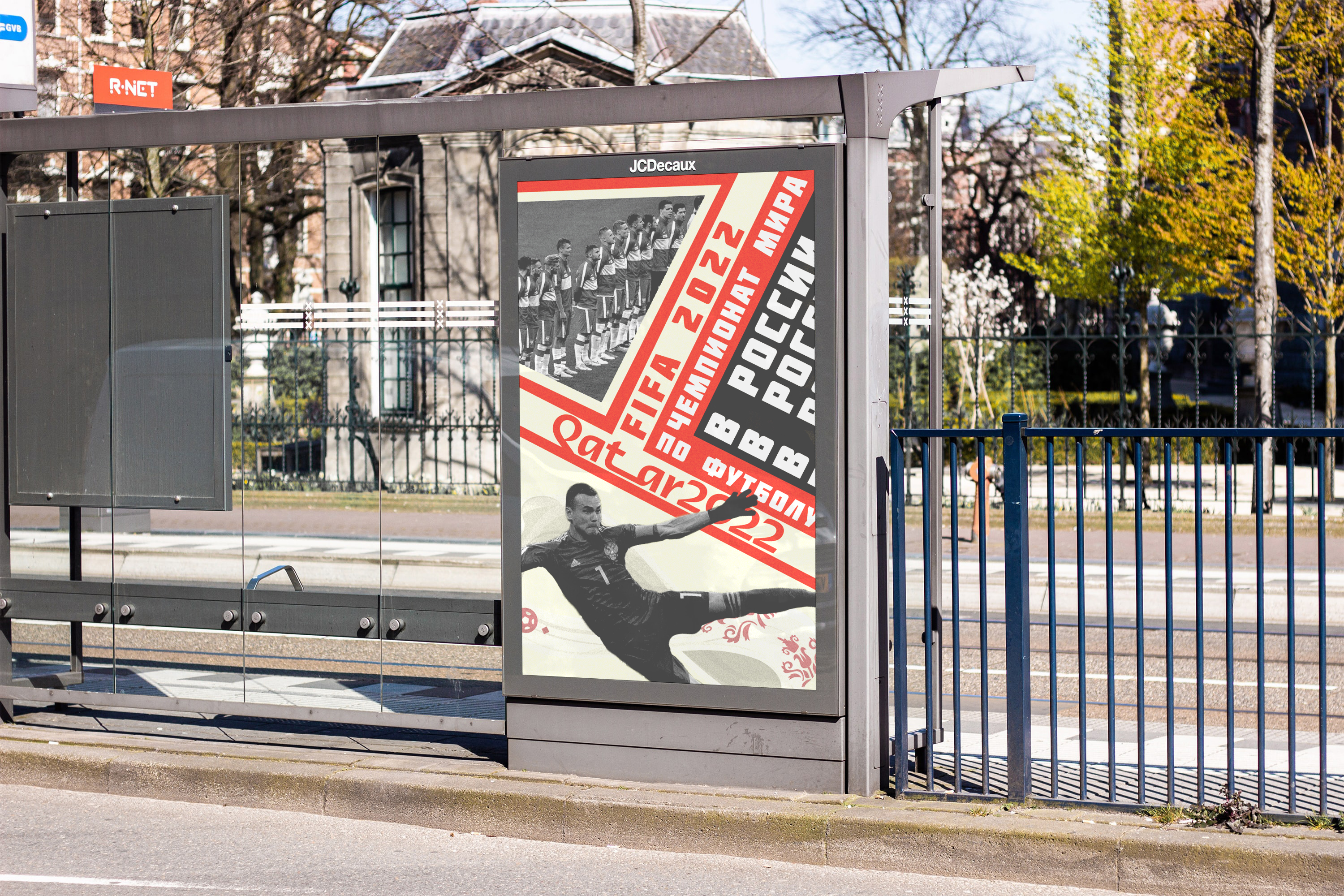
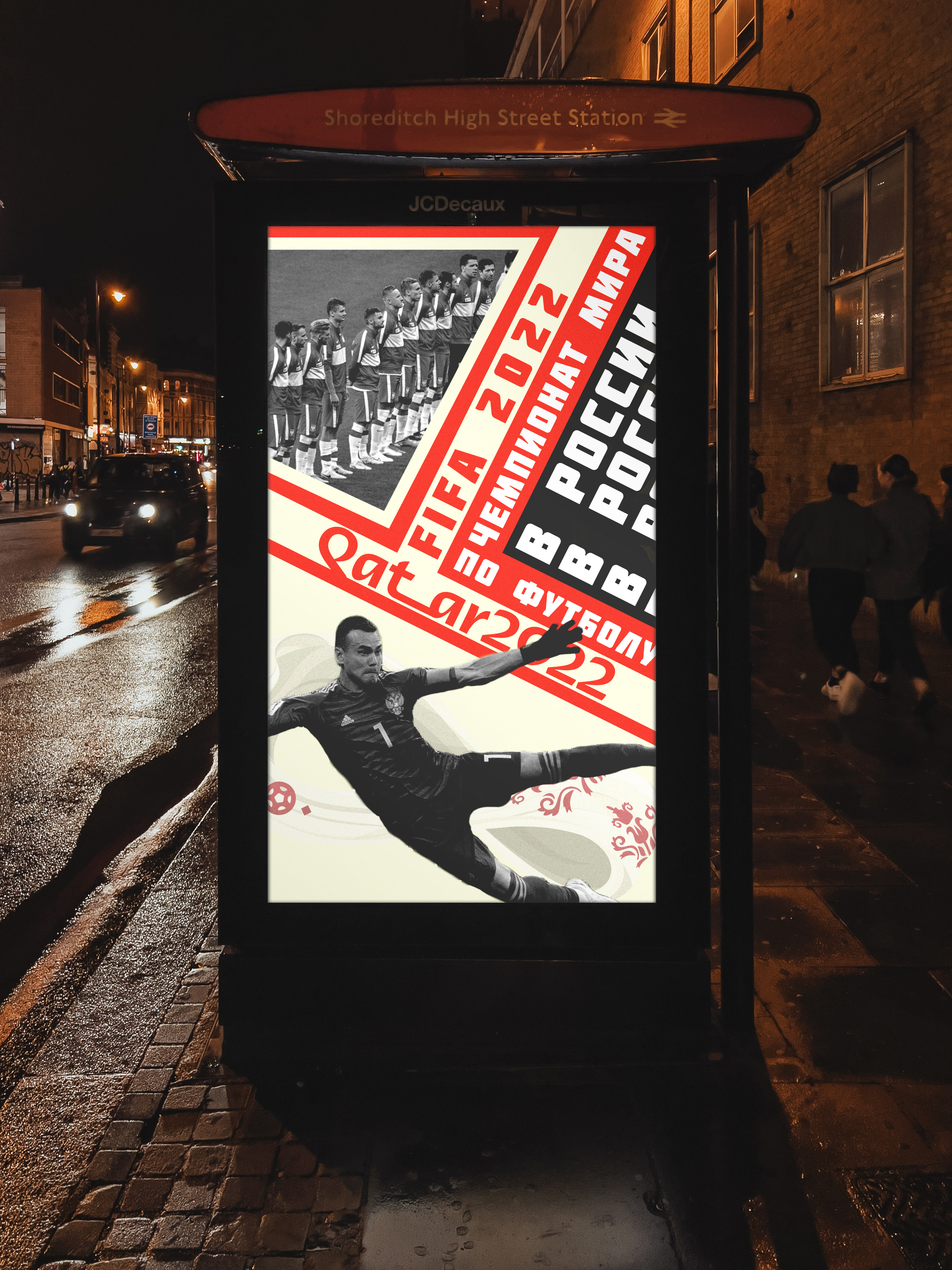
Russian Constructivism was an influential art and architectural movement that emerged in Russia during the early 20th century, particularly in the aftermath of the Russian Revolution of 1917. It sought to break with traditional artistic forms and embrace a new, utilitarian approach to art, design, and architecture. Constructivist artists and architects aimed to create functional, socially relevant works that served the needs of the emerging Soviet society, often employing geometric abstraction, industrial materials, and a focus on practicality in their creations.